Solar Metal Roofs Now Qualify for $12K Tax Credits
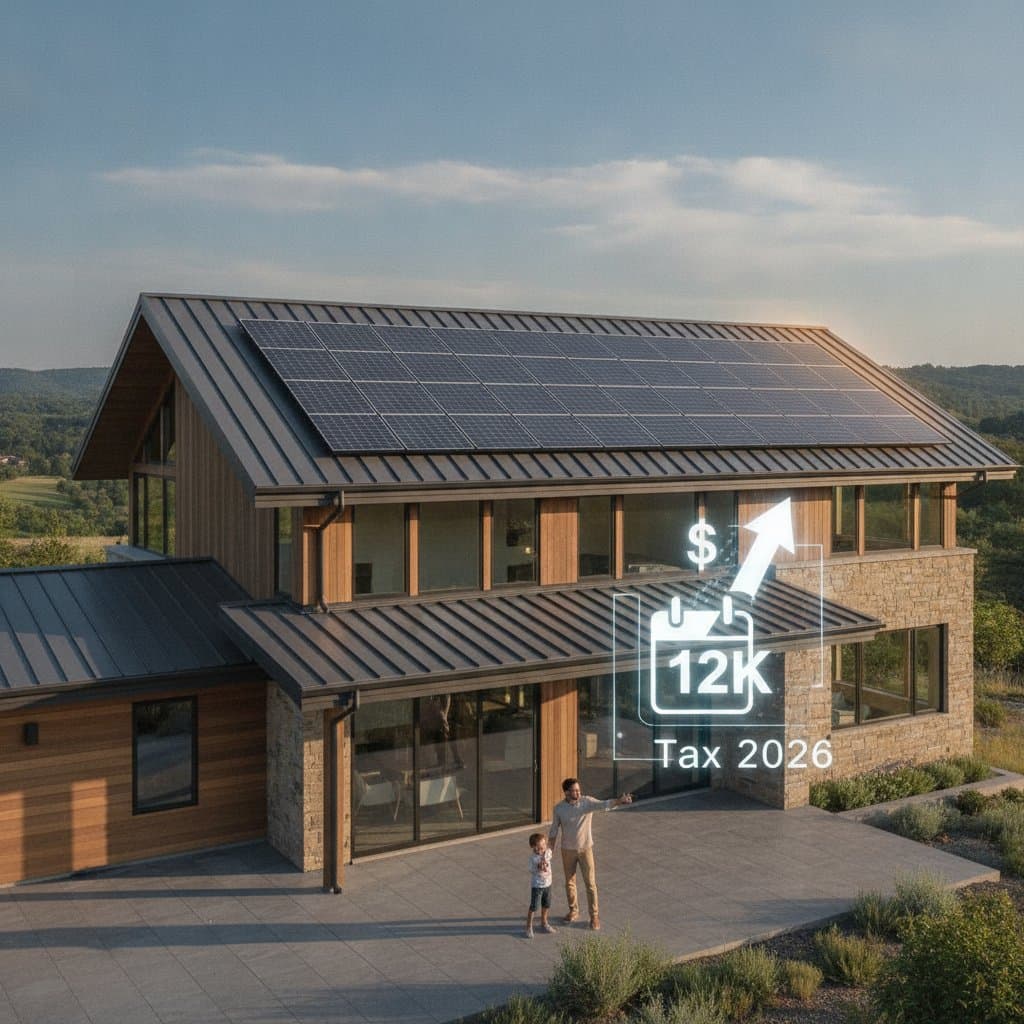
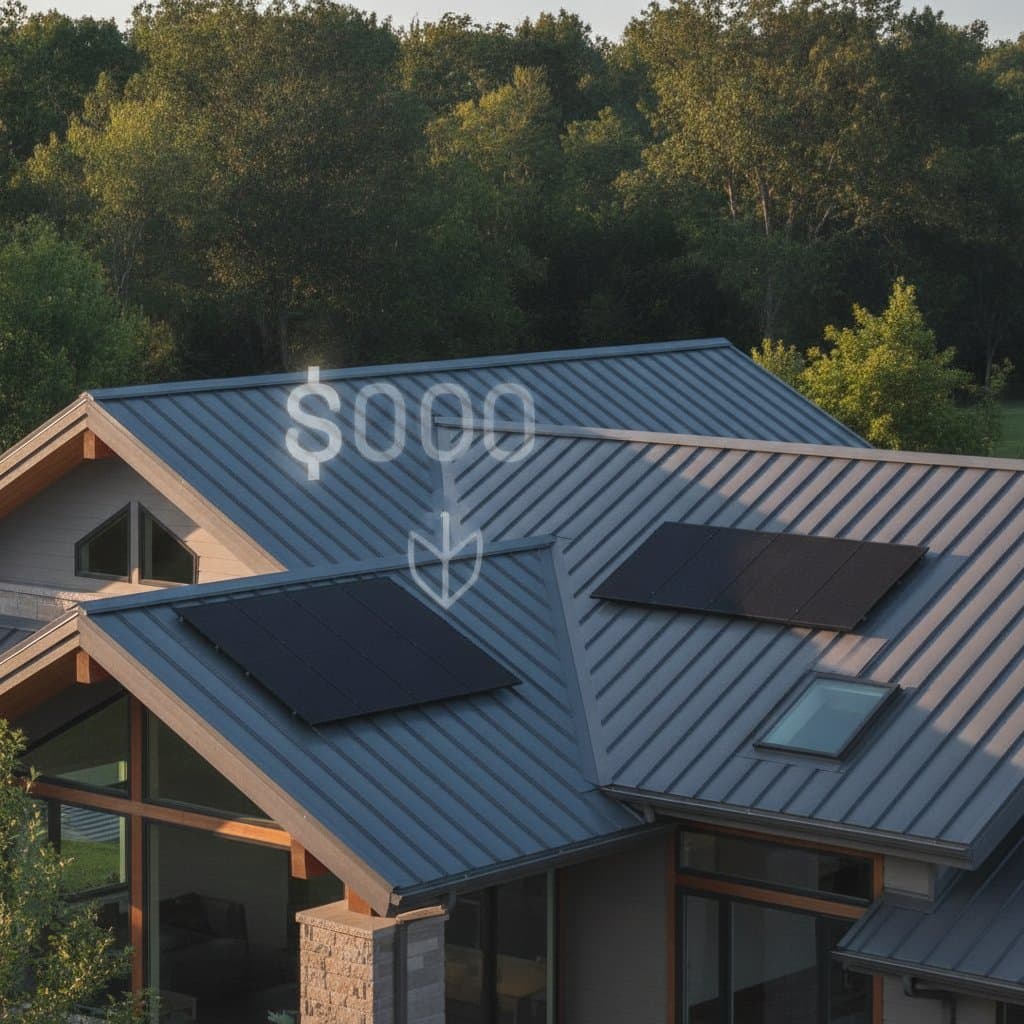
A solar metal roof can cut energy bills, increase home value, and qualify for up to $12,000 in tax credits. Discover eligibility rules, long-term advantages, and how to select a qualified installer.
Articles tagged with 2026
A solar metal roof can cut energy bills, increase home value, and qualify for up to $12,000 in tax credits. Discover eligibility rules, long-term advantages, and how to select a qualified installer.
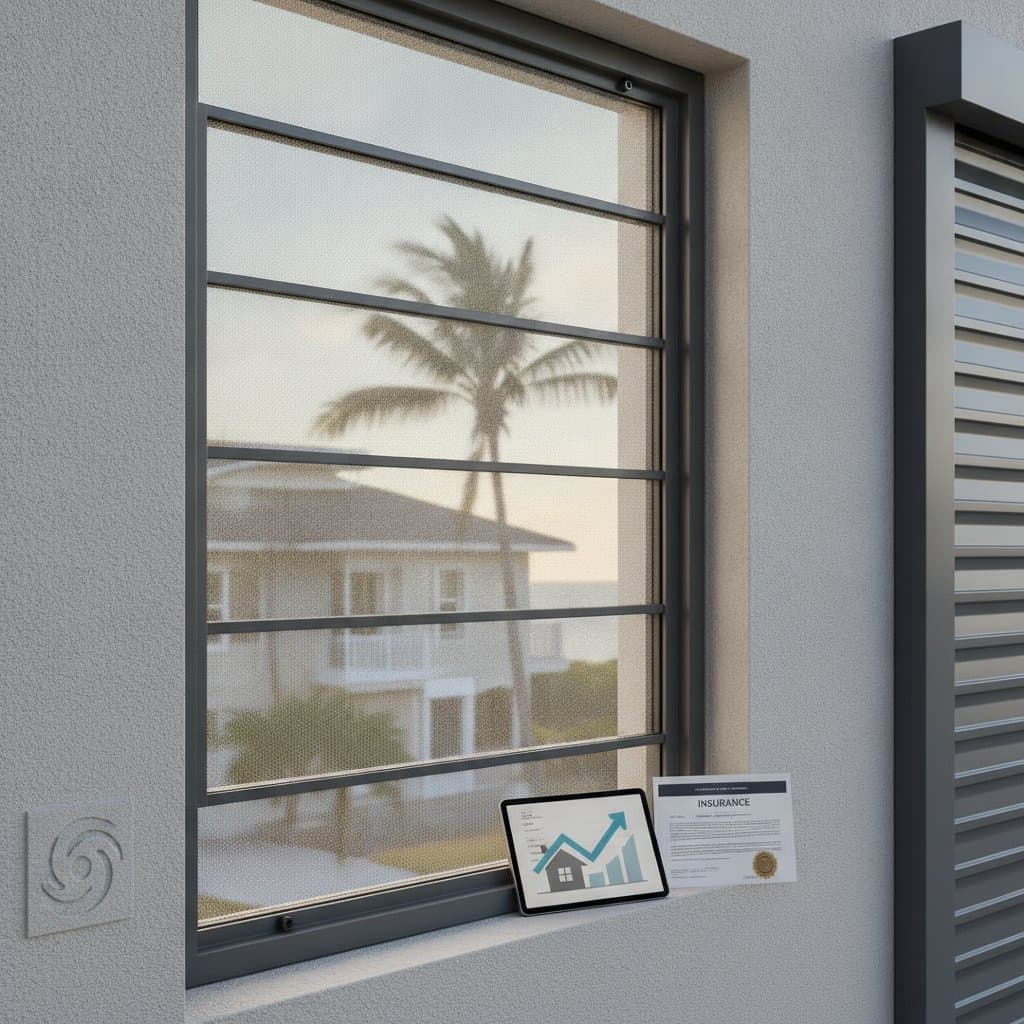
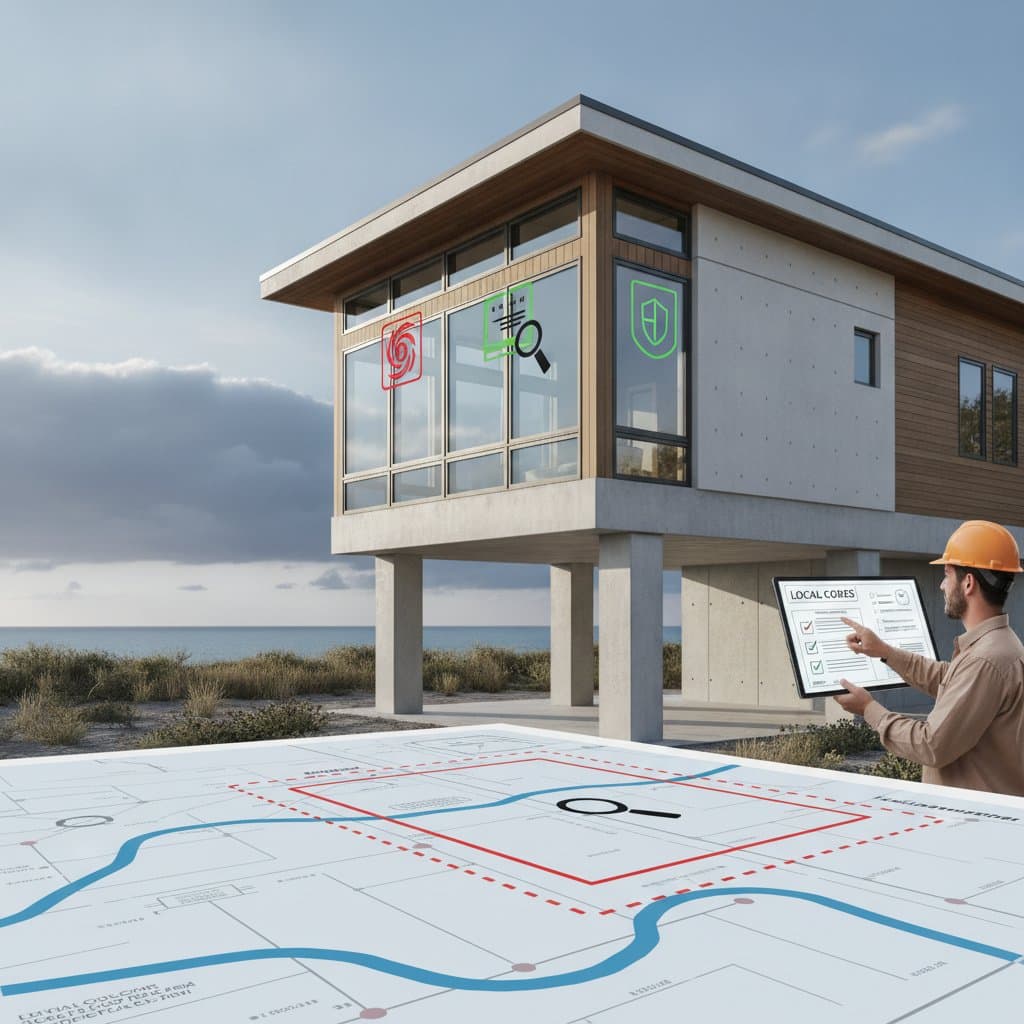
Updated insurance regulations now require impact resistant windows across 12 storm prone states. Homeowners can meet the standards, control costs, and gain lasting protection and value by following clear compliance steps.
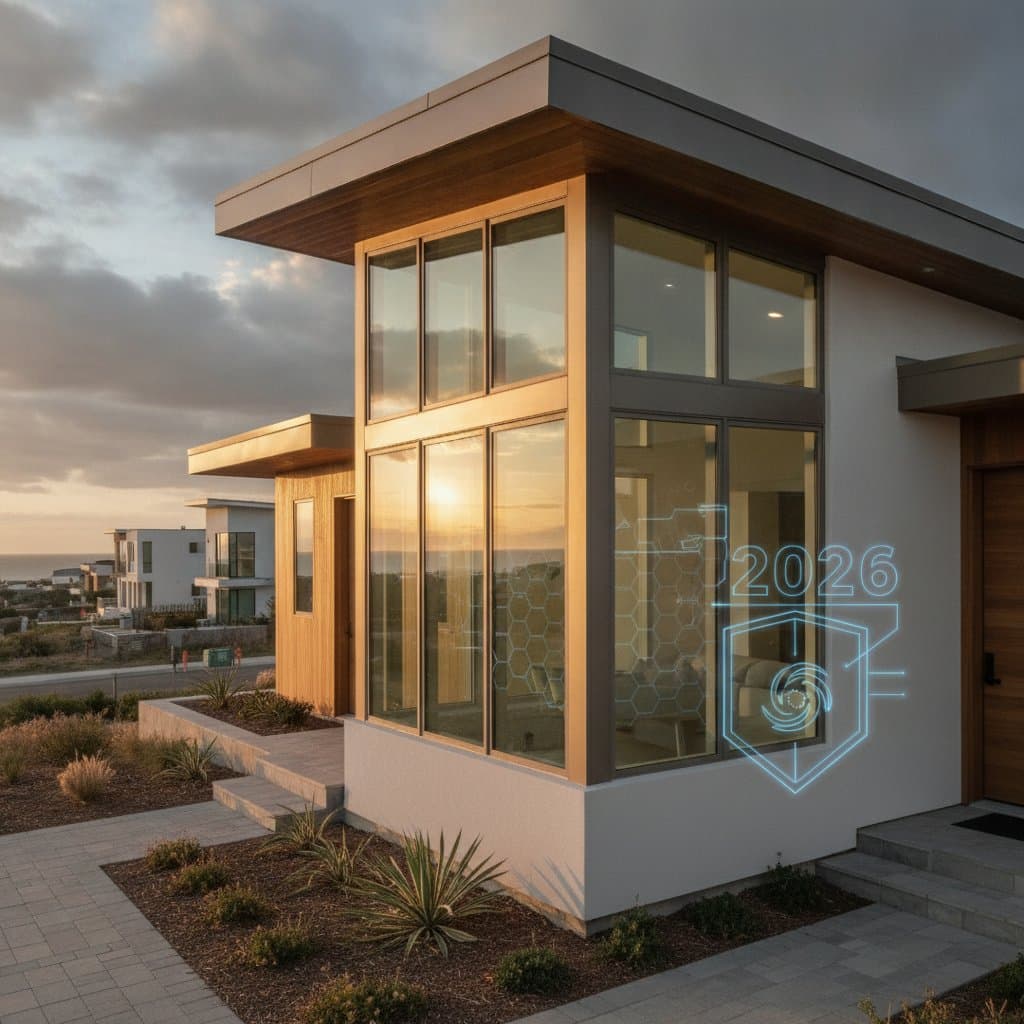
New 2026 hurricane credits reward homeowners who install impact windows. These upgrades increase safety, energy efficiency, and property value while cutting costs through tax deductions and insurance savings.
Zinc roofing combines century-long durability with a self-healing patina that protects against weather and wear. This material offers low maintenance requirements, environmental benefits, and adaptable aesthetics that improve with age.
Recycled metal roofs qualify for 2026 tax credits that lower installation expenses. This guide covers eligibility rules, material verification, record keeping, and filing steps so homeowners can capture savings while increasing energy performance and property value.
Certified impact windows can reduce homeowners insurance premiums by up to 35 percent while improving safety and energy efficiency. Follow this guide to qualify for maximum discounts, avoid documentation issues, and calculate long-term returns.
Three dimensional printing now makes certified impact windows 55 percent more affordable by 2026. Builders and homeowners gain faster lead times, reduced material waste, and design flexibility without sacrificing safety ratings.
Living metal roofs pair strong metal construction with green vegetation layers. They deliver energy savings, stormwater control, and lasting curb appeal for modern homes.
Reflective metal roofs lower cooling expenses and qualify for substantial federal tax credits. Discover eligibility requirements, claim procedures, and installation practices that maximize savings and durability.
Homeowners in hurricane zones must meet new insurance rules for impact windows. This guide covers zone confirmation, compliance steps, costs, and long-term benefits that protect property and maintain coverage.
Homeowners can claim up to $8000 in 2026 federal tax credits by installing qualifying recycled metal roofs. These systems lower energy costs, reduce waste, and increase property value while meeting strict sustainability standards.
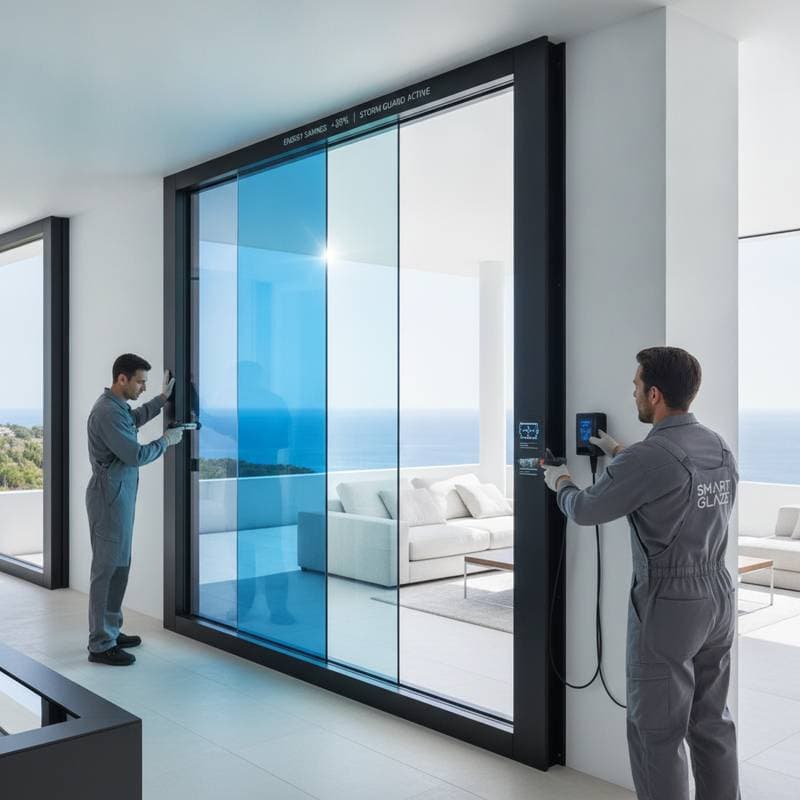
Smart glass impact windows combine automatic tinting with laminated storm protection to lower energy use and strengthen homes against severe weather.
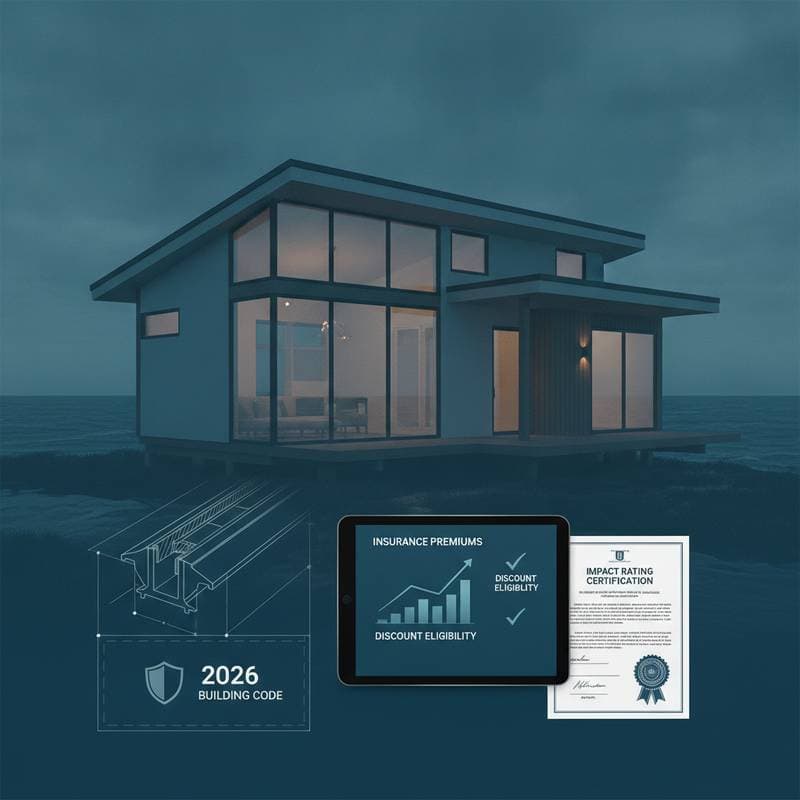
The 2026 insurance updates introduce stricter impact window rating standards that affect coastal property coverage and costs. This guide outlines verification methods, documentation needs, upgrade considerations, and ongoing compliance strategies.
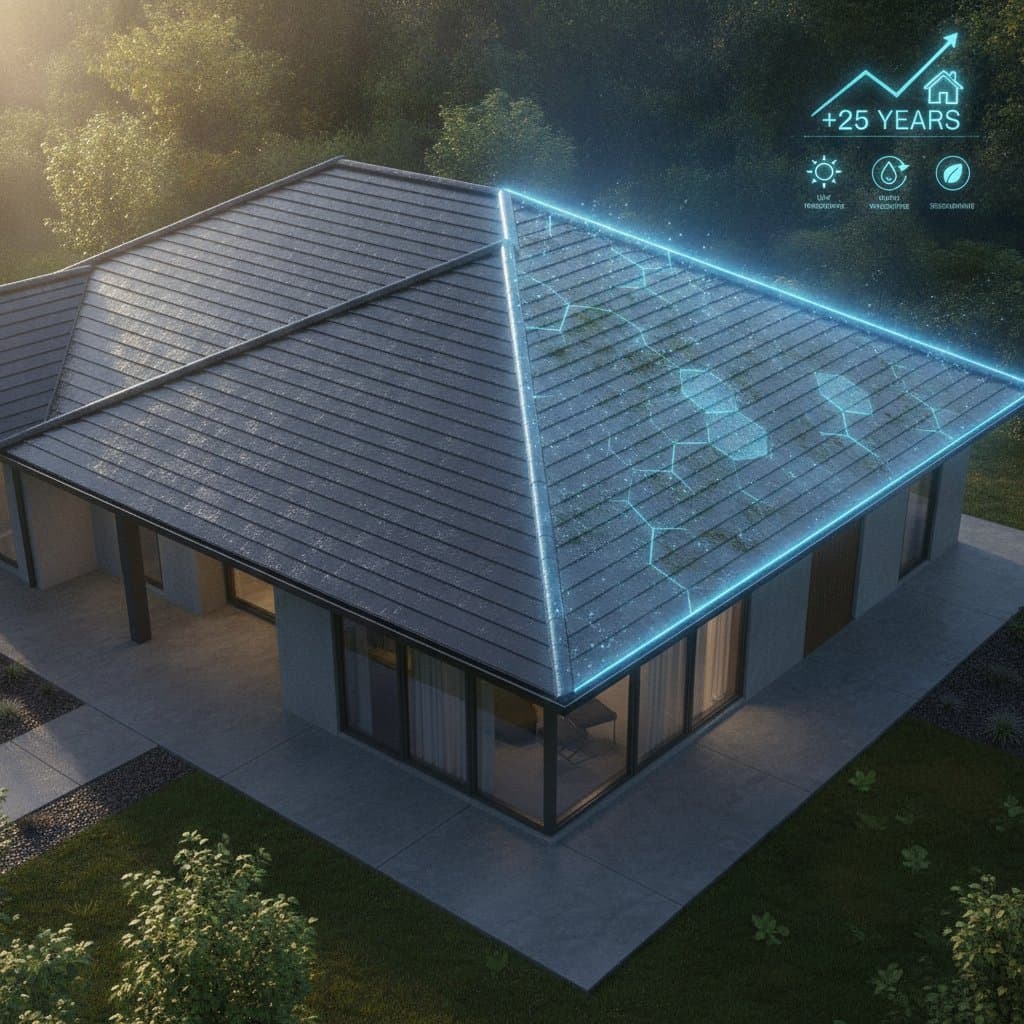
Nano-ceramic coatings form a microscopic bond that shields roofs from water, heat, and ultraviolet damage. The treatment extends service life by up to 25 years, lowers cooling costs, and reduces long-term maintenance demands.
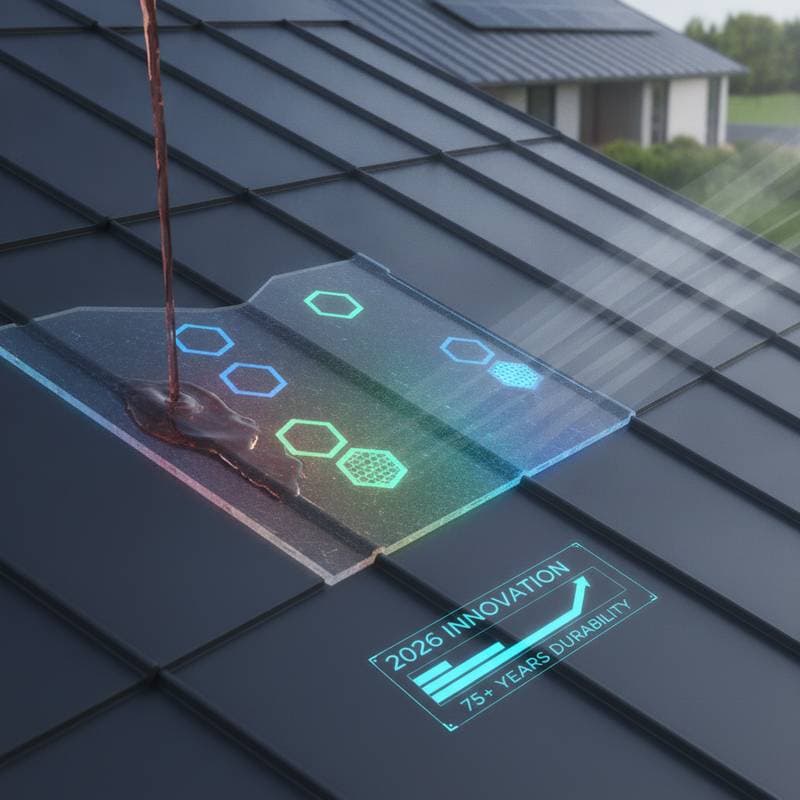
Nano coating technology enables metal roofs to last beyond 75 years by enhancing resistance to corrosion, UV damage, and heat while supporting energy savings and lower maintenance.
Starting in 2026, updated building codes require impact-resistant windows in 12 states. These standards improve safety and efficiency for homes in coastal and storm-prone regions.
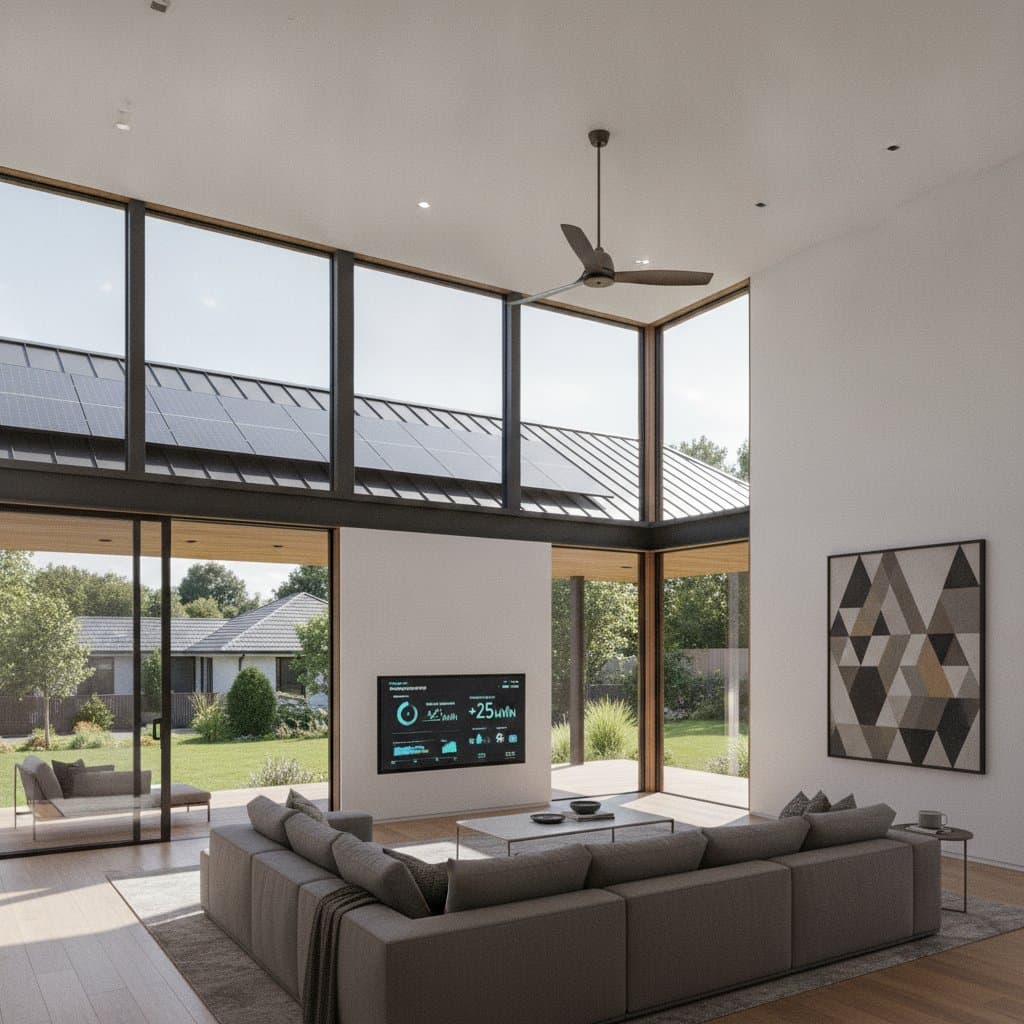
Solar metal roofs merge long-lasting metal construction with on-site power generation. This guide covers budgeting, site evaluation, contractor selection, and long-term performance so homeowners can make informed decisions.
Homeowners can secure up to $8000 in 2026 tax credits by installing recycled metal roofs that meet energy efficiency standards. This guide covers eligibility checks, required documents, financing choices, and maintenance practices that protect long term savings.
Starting in 2026, homeowners with certified impact windows can apply part of their installation cost toward the insurance deductible. This policy rewards proactive upgrades with deductible relief and premium discounts while improving home resilience.
Updated climate maps are raising wind design pressures across many regions. Property owners must confirm new zone classifications, order certified impact windows, and complete installation before enforcement deadlines to maintain insurance coverage and property value.