
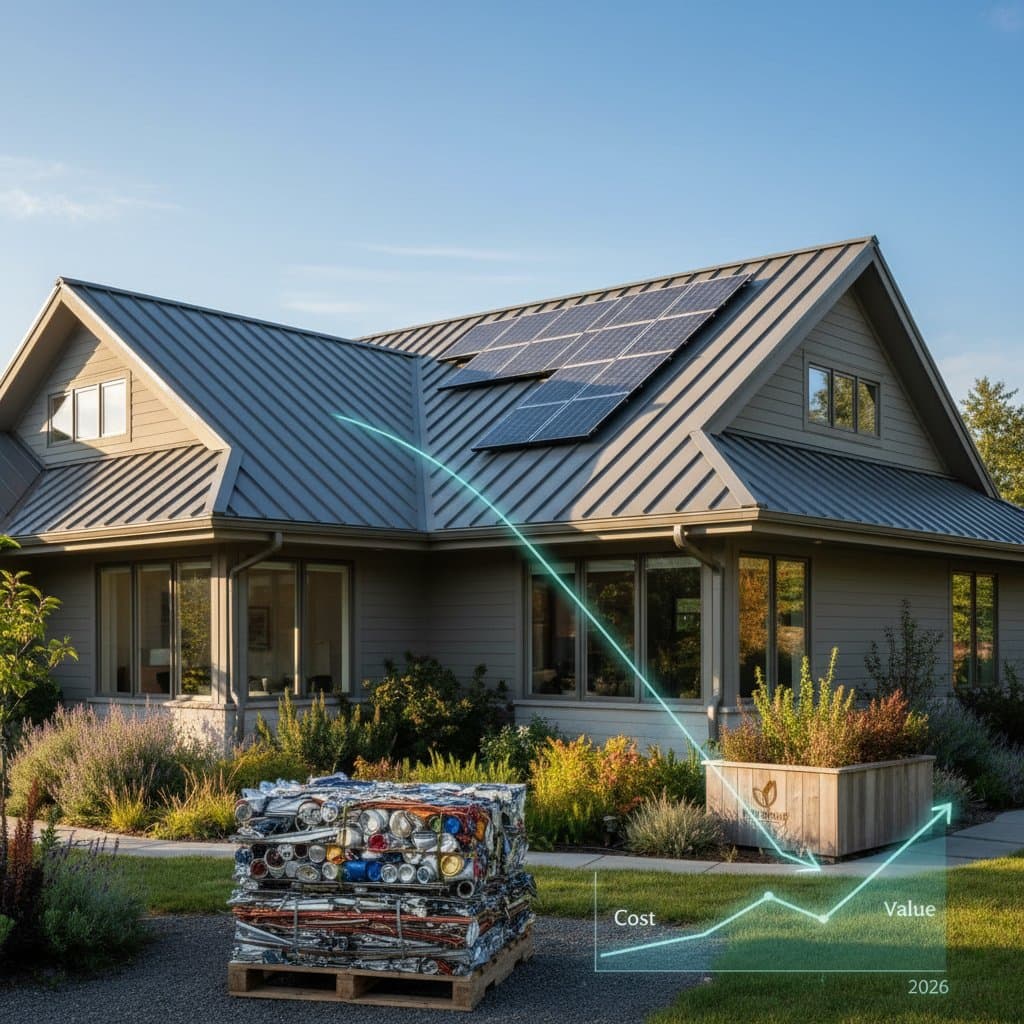
Recycled Metal Roofs: A Cost-Effective and Sustainable Alternative to Asphalt
Recycled metal roofs offer lower ownership and maintenance costs compared to asphalt shingles. These roofs reduce waste and energy consumption, making them ideal for homeowners who intend to remain in their property or sell it in the near future. Benefits include accelerated resale timelines, reduced utility expenses, and minimized repair needs. Improvements in recycling processes and stabilized steel prices have reversed the cost comparison, allowing installation of a durable, eco-friendly roof that delivers savings from the outset.
Quick Implementation Strategies
1. Obtain quotes based on panel weight from local suppliers.
Request pricing per square foot for metal and compare it to asphalt bundle costs. Metal pricing tracks commodity fluctuations, whereas asphalt ties to petroleum markets. Include delivery and fasteners in quotes; a competitive rate aligns closely with mid-range asphalt options. This approach requires minimal effort after securing two or three bids.
2. Request certification for recycled content.
Recycled metal roofs typically incorporate over 50 percent recycled steel or aluminum, which decreases embodied energy and qualifies for green rebates. Review supplier documents or mill certificates to confirm the recycled content percentage. This step incurs no additional cost and facilitates access to incentives.
3. Evaluate attic ventilation prior to installation.
Adequate airflow beneath the metal roof prevents condensation and prolongs panel lifespan. Moisture accumulation can corrode even protected metal surfaces. Assess humidity levels and check for light penetration at eaves. Ventilation upgrades represent a moderate-effort task that enhances durability.
4. Select lighter colors or reflective coatings.
These options reflect sunlight and lower cooling demands during summer months. They prove most effective in regions with intense solar exposure. Confirm reflectivity ratings on product specifications. The modest upfront premium often recoups through energy bill reductions within two years.
5. Retain existing underlayment if it remains in good condition.
Sound roof decking and barriers can be reused to cut labor and material expenses. A contractor verifies viability by removing select shingles. This method reduces costs and waste, though moderate risk exists if undetected moisture lurks; employ a moisture meter for testing.
6. Arrange installation during off-peak seasons.
Roofing professionals frequently lower labor rates when demand decreases. The same team may offer discounts outside high-activity periods. Review local weather trends and reserve dates in advance. This requires low effort but demands scheduling flexibility.
7. Return scrap metal to the supplier for credit.
Numerous facilities purchase remnants or trim pieces. Metal holds inherent value, unlike asphalt waste that incurs disposal fees. Weigh surplus materials and arrange collection. Anticipate a small reimbursement to offset remaining labor charges.
Pricing Considerations
Selection Criteria
Opt for recycled metal when material and labor estimates fall within 10 percent of comparable asphalt bids. Its lifespan extends two to three times beyond asphalt, lowering annual costs over time. For properties nearing sale, leverage the roof's warranty duration as a key selling feature.
Detailed Process
- Collect three itemized quotes from local providers, covering materials and labor.
- Analyze total ownership costs over a 20-year period, incorporating warranty information.
- Confirm resale value enhancements via input from local appraisers.
- Review supplier timelines prior to finalizing agreements.
Frequent Oversight and Resolution
Buyers often presume metal incurs higher initial expenses. Address this by computing cost per year of service, factoring in maintenance reductions and scrap value recovery, rather than focusing solely on square-foot pricing.
Available Incentives
Selection Criteria
Pursue credits for recycled content or energy efficiency through regional programs before commencing work. If documentation causes delays, secure pricing commitments while submitting applications subsequently.
Detailed Process
- Reach out to utility providers or municipal housing departments for green roofing rebates.
- Compile supplier records detailing recycled material usage.
- File applications prior to installation to maintain eligibility.
- Retain electronic records for future resale documentation.
Frequent Oversight and Resolution
Applications submitted post-deadline commonly fail. Integrate program timelines into early planning stages. A sustainability expert with regional knowledge notes that proactive submission preserves rebates valued at hundreds of dollars.
Preparing the Property
Selection Criteria
Proceed with installation if decking and rafters exhibit no sagging. Address any rot or irregularities before applying panels, as metal accentuates structural imperfections more than shingles.
Detailed Process
- Remove several old shingles to examine decking for signs of softness.
- Replace damaged plywood areas as needed.
- Clean and dry the surface thoroughly.
- Install a moisture barrier ahead of panel placement.
Frequent Oversight and Resolution
Bypassing deck checks to expedite the process invites future leaks. Verify flatness every 10 feet with a straightedge and level. An experienced roofer emphasizes that deck evenness primarily prevents water intrusion.
Enhancing Neighborhood Appeal
Selection Criteria
Align with or surpass the roof quality of adjacent properties to maintain market competitiveness. In areas with limited upgrades, position the recycled metal roof as a highlight for its longevity and efficiency.
Detailed Process
- Survey the neighborhood on foot or by vehicle to evaluate roof styles.
- Observe prevailing color and texture preferences.
- Select finishes that complement local aesthetics while providing subtle differentiation.
- Incorporate recycled content details into real estate listings.
Frequent Oversight and Resolution
Industrial appearances that conflict with surroundings may discourage potential buyers. Choose matte or low-gloss finishes resembling shingle hues for harmony.
Key Sustainability Aspects
Selection Criteria
Highlight recycled composition, energy performance, and end-of-life recyclability for cost-conscious audiences. Tailor emphasis to maintenance reductions for budget-oriented markets.
Detailed Process
- Secure manufacturer warranties covering corrosion resistance.
- Obtain records of recycled content levels and coating efficacy.
- Track pre- and post-installation energy bills to quantify cooling benefits.
- Integrate these metrics into sales or appraisal documents.
Frequent Oversight and Resolution
Unverified product claims risk disqualifying green certifications. Validate all assertions through written supplier confirmations.
Optimizing Online Listings
Selection Criteria
Detail roof specifications, installation date, and eco-features in listing descriptions. Prioritize high-quality images of the roofline and edges if photography options are constrained.
Detailed Process
- Capture images from ground level at low angles to demonstrate full coverage.
- Include captions noting recycled metal usage and warranty terms.
- Update condition reports with energy efficiency data.
- Provide cost comparison documents in response to inquiries.
Frequent Oversight and Resolution
Omitting roof material details diminishes perceived property value. Employ precise terminology like 'recycled steel roof' over vague descriptors.
Adapting to Local Conditions
Regional climates and codes influence choices. Coastal locations benefit from marine-grade coatings against salt damage. Arid interiors favor light colors to temper attic temperatures. Cold climates require snow guards and freeze-resistant underlayment. Confirm compliance with local fire and wind standards prior to selection. Time installations with favorable weather to optimize labor costs. Property configurations vary; standing-seam systems suit flat roofs, while corrugated panels fit steep slopes. Consult building authorities regarding permits for recycled materials.
Professional Installation versus Self-Installation
Precision in securing and sealing metal roofs demands expertise. Engage professionals for slopes beyond moderate inclines or properties with nearby electrical elements. Homeowners can manage preparatory tasks such as debris removal, vent inspections, and deck repairs. Certified teams provide essential safety equipment and calibrated tools for secure joints. They also ensure warranty validity. Self-installation suits only minor structures like sheds or straightforward single-story residences.
Essential Preparation Checklist
- Evaluate existing roof condition and structural integrity.
- Solicit three quotes specifying recycled content.
- Inspect attic ventilation and insulation.
- Confirm qualification for local incentives.
- Book installation for low-demand periods.
- Review completed work for proper alignment and sealing.
- Archive records for warranty and resale purposes.
Frequently Asked Questions
How durable is a recycled metal roof?
Properly installed and ventilated units endure two to three times longer than asphalt shingles.
Realizing the Benefits
Implementing a recycled metal roof transforms routine maintenance into strategic savings. Homeowners gain not only financial advantages but also environmental contributions that elevate property appeal. This upgrade positions your home as a forward-thinking asset, ready for immediate and sustained value growth.